Irregular cycles
My periods are hard to predict. Delays and changing patterns leave me unsure of what to expect.

Women’s Health & Life Stages · PMOS (formerly PCOS)
An at-home blood test to better understand your hormonal and metabolic profile. Your twin connects your results, nutrition and daily life to personalise your guidance alongside your medical care.
Four drops at homeNo lab visitsNo appointment
Start your PMOS plan Discover the planMy periods are hard to predict. Delays and changing patterns leave me unsure of what to expect.
Persistent breakouts, thinning hair or unwanted hair growth affect how I feel about myself.
I sometimes feel hungry soon after eating, and my energy varies throughout the day. These ups and downs are hard to understand.
I’m told to change my diet or exercise more. But the advice conflicts, and I’m not sure which recommendations to follow.
Your cycle, symptoms and metabolism are connected. Your biological results add context and help you reveal the invisible in you.

How it works

Your face scan creates your twin. Your free assessment adds your PMOS context.


 ✓
✓ ✓
✓ ✓
✓ ✓
✓ ✓
✓ ✓
✓ ✓
✓ ✓
✓
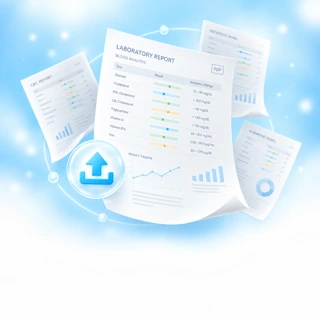
Your at-home collection can add laboratory depth to your personal picture.
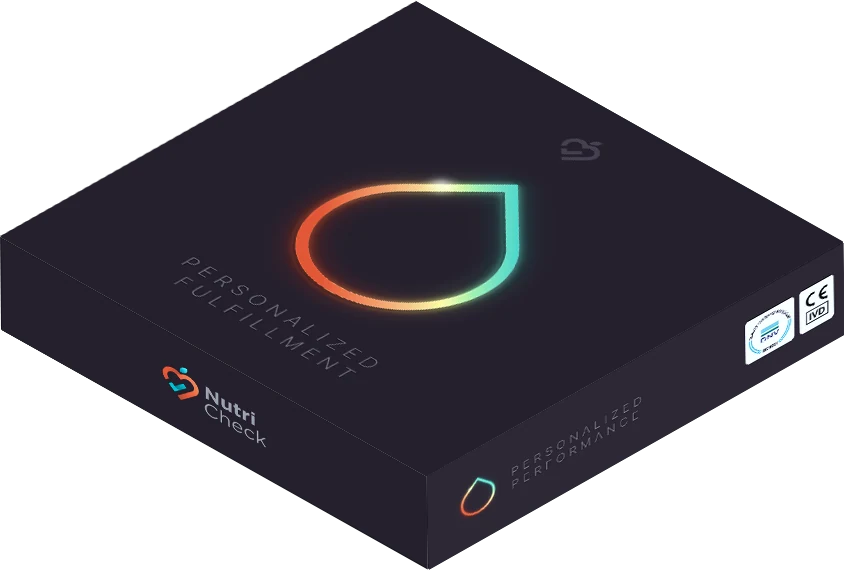
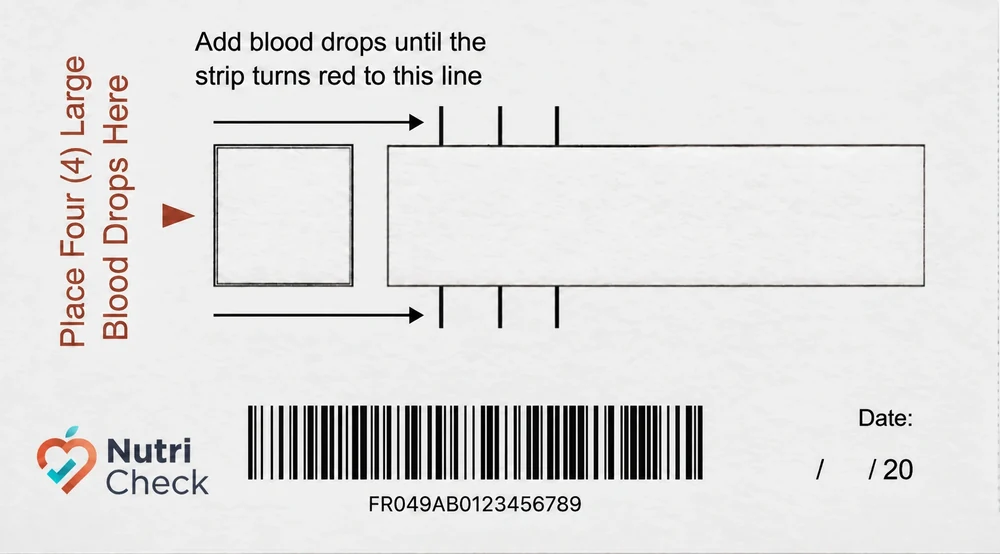
Your biological information connects with your cycle, hormone patterns and metabolic priorities.
Results in 5–10 days
after your sample reaches the lab.

Your food and daily routines adapt to your cycle, hormone patterns and metabolic priorities.
 ✓
✓
Your activity choices consider your energy, muscle goals and metabolic context.


Adapt your activity to your energy and care-team guidance.


Your sleep and daily routines add context to your cycle, appetite and energy patterns.
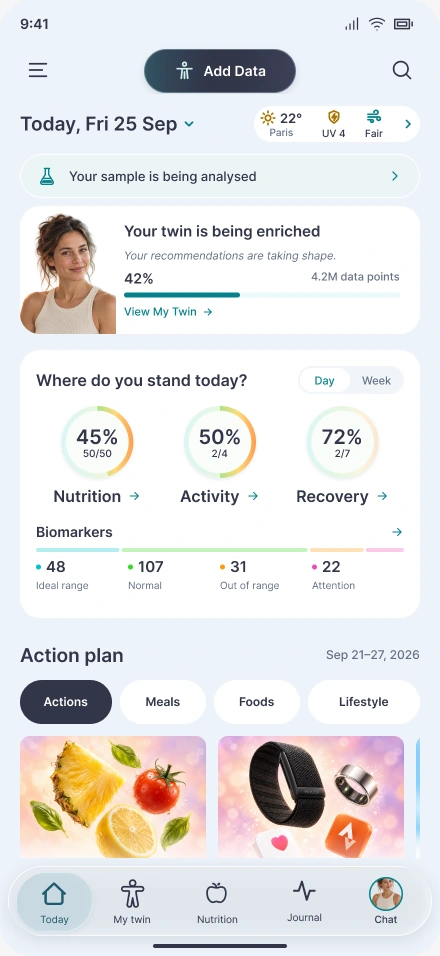
Your activity choices consider your energy, muscle goals and metabolic context.

Adapt your activity to your energy and care-team guidance.

Your sleep and daily routines add context to your cycle, appetite and energy patterns.
Your new results and daily context help refine your PMOS plan over time.
Your twin brings together food’s molecular composition, your blood results and everyday habits to personalise meals around your needs and tastes.
PMOS
Your blood sugar, androgen context, cycle, inflammation, body composition, skin and hair, connected in your six Health Reels.
Your reproductive hormone markers, thyroid context, blood sugar, selected blood lipids, inflammation and liver markers.
Measured in an accredited laboratory
Four drops. At home.
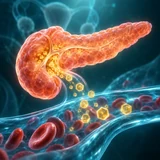
Small molecules that reflect your everyday energy, nutrition and metabolism.
Fats that help build your cells, store and supply energy, and reflect aspects of your diet.
Proteins that coordinate your defences, circulation and communication between organs.
Your twin brings biological pathways into focus through your plan’s Health Reels.
Insulin & Blood Sugar BalanceAndrogen & Sex Hormone BalanceCycle Regularity SupportLow-Grade InflammationBody Composition & WeightSkin & Hair BalanceFrom biological connections to everyday guidance.
Your twin connects your health data to model how food, activity and supplements could affect your physiology, molecule by molecule.
Your twin connects your health data to model how food, activity and supplements could affect your physiology, molecule by molecule.
Photograph your meal. Your twin considers its molecular composition alongside your results and nutritional needs.

Compare products by their molecular composition, your results and your preferences.

Photograph the menu. Explore dishes that suit your needs, preferences and care team’s advice.
Your activity choices consider your energy, muscle goals and metabolic context.
 Sleep & recovery
Record your meals and drinks. Your twin connects your eating habits with your biological results.
Share changes in your cycle, skin, appetite or energy. Your observations enrich your twin over time.
“My cycle has been irregular. My skin has changed and I feel hungry again soon after lunch.”
Your meal plan considers food’s molecular composition, your results and preferences, alongside your care team’s advice.
Review ingredients and doses alongside your food, other supplements, medicines and medical advice.


Lab uploads, connected devices and face scans remain free. Your testing offer adds molecular insights and Premium guidance.
YOUR PMOS PLAN
Your PMOS test. Your molecular insights. Your daily guidance.
Explore what we testYour starting point.
€179one-time payment
No subscription
Your first results, connected to your twin.
Build your picture over a year.
€39.90/ month
12-month commitment · €478.80 total
Three opportunities to reassess and refine your plan.
See more of what changes.
€89.90/ month
12-month commitment · €1,078.80 total
More points of comparison across your year.
Your at-home collection and laboratory analysis are included. Choose your testing rhythm for your cycle, hormone patterns and metabolic priorities.
For you if you want to connect your cycle, androgen-related symptoms and metabolic priorities with your biology and existing clinical care.
Your face scan creates your twin. Your free nutrition and health assessment, existing lab results and connected data then enrich it with your cycle, hormone patterns and metabolic priorities.
Choose the testing offer that fits your PMOS journey, then continue to your NutriCheck account. Your account brings your test, personal information and guidance together.
Your later results are considered alongside changes in your cycle, hormone patterns and metabolic priorities. Follow-up tests focus on changes over time and do not repeat the complete initial panel.
Your named laboratory analyses are listed in your panel. Your 6 Health Reels organise biological model categories. Research molecular examples and pathway illustrations are not additional measured tests or personal results.
No. Your plan connects your symptoms, cycle history and biological context. Your results and modelled pathways do not establish a diagnosis. Your clinician can interpret your hormone results and decide whether further assessment is needed.
Your twin helps you understand information and organise daily choices around your cycle, hormone patterns and metabolic priorities. Your healthcare team remains responsible for assessment, diagnosis and treatment decisions.
